Movie Critique - “Hugo”
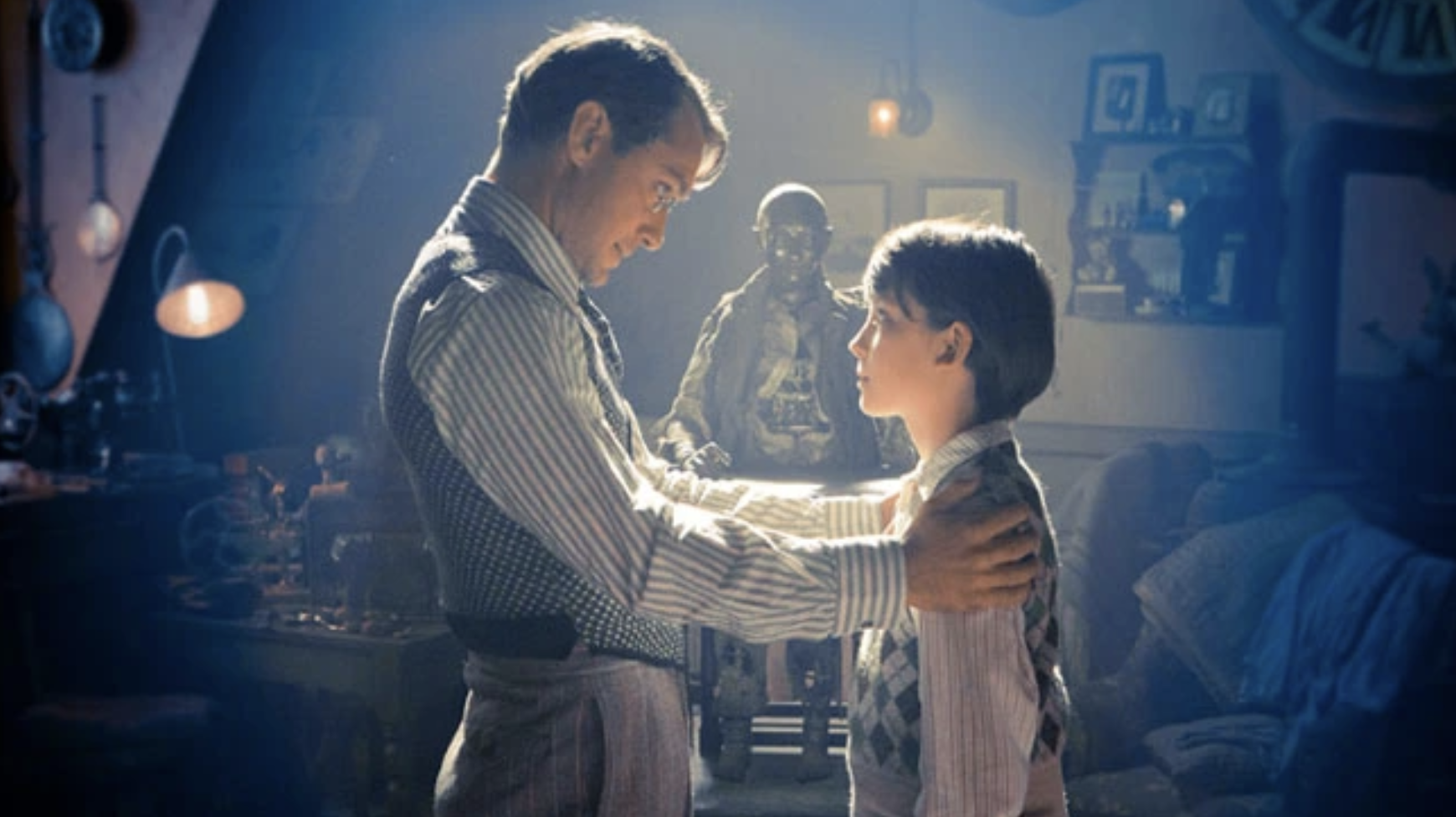
During researching for Early Cinema Homework, I recently watch the Martin Scorsese film, "Hugo," which was released in 2011. The film is a love letter to cinema and tells the story of a young boy named Hugo who lives in a train station and becomes involved in a mystery surrounding a broken automaton. While the film has received critical acclaim, I have mixed feelings about it.
On one hand, "Hugo" is a beautiful and visually stunning film that celebrates the magic of cinema. The film is set in 1930s Paris and features stunning cinematography and art direction that transports the viewer to a bygone era. Scorsese's passion for cinema shines through in every frame of the film, and it is clear that he is paying homage to the pioneers of cinema who paved the way for future filmmakers. One of the most impressive aspects of the film is its use of 3D technology. Scorsese is one of the few filmmakers who has truly embraced 3D and used it to enhance the storytelling rather than just as a gimmick. The 3D effects in "Hugo" are subtle but effective, and they add to the immersive experience of the film.
However, despite its technical achievements, "Hugo" can also be a bit boring at times. The film moves at a slow pace, and the mystery surrounding the automaton feels somewhat contrived. While the film's message about the importance of preserving cinema history is admirable, the story itself is not always engaging. Another issue I had with the film is its narrative structure. While the film is ostensibly about Hugo, he often feels like a secondary character in his own story. The film spends a lot of time exploring the lives of other characters, such as the station inspector and the filmmaker Georges Méliès. While these characters are interesting in their own right, their stories often feel disconnected from Hugo's journey.
In terms of comparisons to other films about the magic of cinema, "Hugo" cannot quite compare to the classic "Nuovo Cinema Paradiso" directed by Giuseppe Tornatore. "Nuovo Cinema Paradiso" tells the story of a young boy growing up in a small town in Italy and falling in love with cinema. The film explores the power of cinema to unite a community and provide a sense of wonder and escape. While "Hugo" also celebrates the magic of cinema, it lacks the emotional depth and resonance of "Nuovo Cinema Paradiso."
Despite these criticisms, I still believe that "Hugo" is a good movie for filmmakers who love cinema. The film's attention to detail and commitment to preserving cinema history is admirable, and it serves as a reminder of the power of cinema to inspire and captivate audiences. The film is also a great example of how 3D technology can be used effectively in filmmaking. One of the most powerful scenes in the film is when Hugo and his friend Isabelle sneak into a screening of "Safety Last!" starring Harold Lloyd. The scene is shot from the perspective of the audience, and we see the joy and excitement on the faces of the viewers as they watch the film. It is a beautiful reminder of the communal experience of cinema and the power it has to bring people together.
Overall, while "Hugo" may not be a perfect film, it is still a worthwhile watch for anyone who loves cinema. Its technical achievements and celebration of cinema history make it a unique and visually stunning film. While it may not be as emotionally resonant as "Nuovo Cinema Paradiso," it still serves as a reminder of the power of cinema to inspire and unite audiences.