Movie Critique - “City Lights”
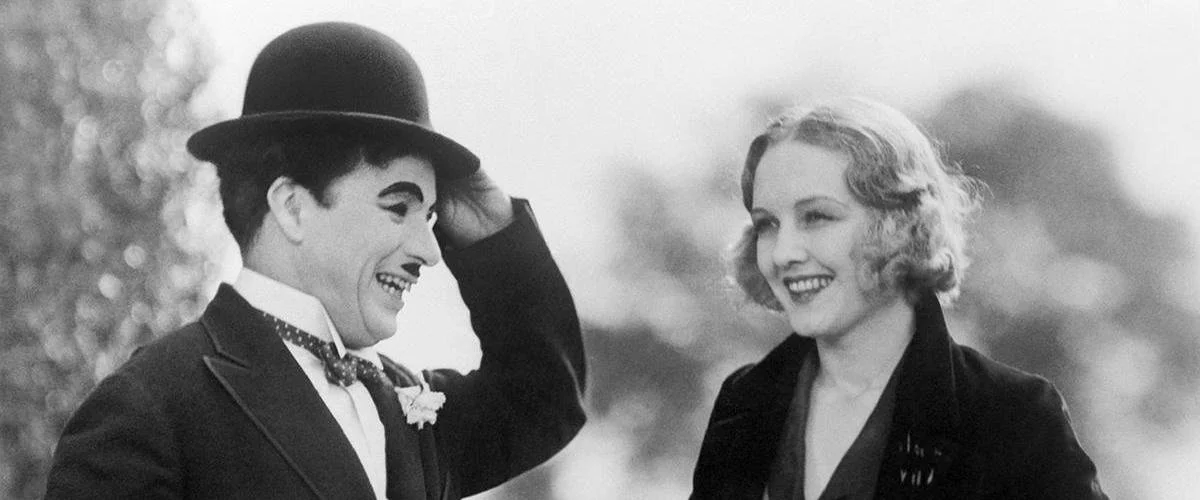
Film still from “City Lights”
City Lights, directed by Charlie Chaplin, is a masterpiece of silent cinema. Released in 1931, the film is a testament to the artistry of early cinema, a time when visual storytelling was at its peak. The film follows the story of the Tramp (Charlie Chaplin), a lovable and charismatic character who falls in love with a blind flower girl (Virginia Cherrill). The Tramp is determined to help the girl regain her sight, but he must first navigate a series of obstacles and misadventures.
One of the most impressive aspects of City Lights is its use of visual storytelling. Without the aid of sound, the film relies on the visuals to convey emotion and plot. The opening scene, in which the Tramp wakes up on a statue and tries to shake off a bird that has landed on his nose, is a perfect example of Chaplin's mastery of visual humor. The scene is both funny and poignant, setting the tone for the rest of the film.
Chaplin's use of lighting and composition is also noteworthy. The film's black and white cinematography is both beautiful and atmospheric, with each shot carefully composed to create a sense of mood and emotion. The scene in which the Tramp meets the blind flower girl for the first time is a prime example of this. The soft, diffused lighting and the composition of the shot, with the girl standing in the foreground and the Tramp in the background, create a sense of intimacy and connection.
Another impressive aspect of the film is the way it blends comedy and drama seamlessly. The Tramp is a character who is both funny and tragic, and his misadventures are both humorous and poignant. The scene in which he tries to impress the girl by pretending to be a wealthy man is both funny and heartbreaking. Chaplin's ability to create such a complex and nuanced character is a testament to his talent as a filmmaker. The film's climax, in which the blind flower girl regains her sight and recognizes the Tramp, is one of the most iconic moments in cinema history. The scene is both heartwarming and bittersweet, with Chaplin's performance capturing the emotion of the moment perfectly.
The film's musical score, composed by Chaplin himself, is also worth noting. The music is both whimsical and emotional, perfectly complementing the action on screen. The scene in which the Tramp tries to commit suicide is particularly powerful, with the haunting melody of the music creating a sense of despair and sadness.
Overall, City Lights is a masterpiece of silent cinema, a film that is both funny and poignant, beautiful and atmospheric. Chaplin's mastery of visual storytelling, lighting, and composition, as well as his ability to create complex and nuanced characters, make the film a testament to the artistry of early cinema.